This is a cross-post from the BFI’s Media Lab blog of a post created by young media-maker Gary McQuiggin, reflecting on his documentary project to map the A1 road from London to Edinburgh. You can check out accounts for the rest of his journey by heading to his page on the blog. (more…)
Category Archives: Network Activities
 Follow
New Doc Next Theme: Interactive Storytelling.
 Introducing a new Doc Next Network featured Theme for December and January: INTERACTIVE STORYTELLING.
At a time when interactivity is redefining the documentary landscape, Doc Next Network, as a movement committed to reimagining the notion of “documentary”, tackles the link between digital interactive technologies and documentary making by zooming in on interactive storytelling practices.
Promoting documentary as tool for communication as well as documentation, and forming a link between traditional media and the constantly developing world of free culture, Doc Next Network investigates interactive storytelling as a new model of exchange between young creators, providing them an alternative space to be inter-active, inter-participatory, and inter-dependent.
Essentially, the interactive multimedia capability of the Internet provides documentarians with a unique medium to create non-linear and multi-linear forms of narrative that combine photography, text, audio, video, animation and infographics. Beyond that, with the development of new authoring tools, with HTML5 and open video possibilities, media makers are getting enabled to create a wider range of experiences and personal ways for the networked audience to tap into the narrative sphere of a documentary, giving them an active role in the negotiation of ‘reality’.
With the Do-it-with-Others (DiwO) approach deeply ingrained in our network, we believe these practices help the new generation of media makers create meaningful, socially engaged stories in a participatory framework by introducing new ways of interaction, conversation and sharing of ideas between and among their different communities, allowing them to compare the realities of different worlds and ultimately to present in novice ways alternative perspectives on contemporary Europe and beyond.
“Social justice through free culture and expanded (media) education.” This is what we seek to promote and accomplish through our work as Doc Next Network. We welcome, investigate and help construct new approaches, methods and tools of storytelling to do just that.
The theme of Interactive Storytelling will run until mid January 2013.
Interview Doc Next maker Hande Zerkin
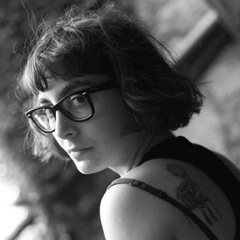
Documentary director and street photographer Hande Zerkin from Izmir, Turkey, participated the International Documentary Festival of Amsterdam (IDFA) 2012 as one of the invited media makers of Doc Next Network. Hande is one of the directors of the short documentary Just Brewed It, We’re Waiting for It to Settle (Demledik, Çökmesini Bekliyoruz), screened as part of the Doc Next Mini Cinema program during IDFA 2012. The documentary was completed during the Youth MODE Creative Documentary Workshop ‘Local Heroes of Izmir’, organized by Doc Next partner MODE Istanbul in February 2012. Hande also took part in the North Aegean Narratives project, produced by Istanbul Digital Culture and Arts Foundation and facilitated by MODE Istanbul, and completed as a part of the project the short documentary I Missed the Bus.
MODE Istanbul team interviewed Hande Zerkin during IDFA 2012. To read the interview in Turkish please click here.
Doc Next photographer (18) premiers in Warsaw gallery.
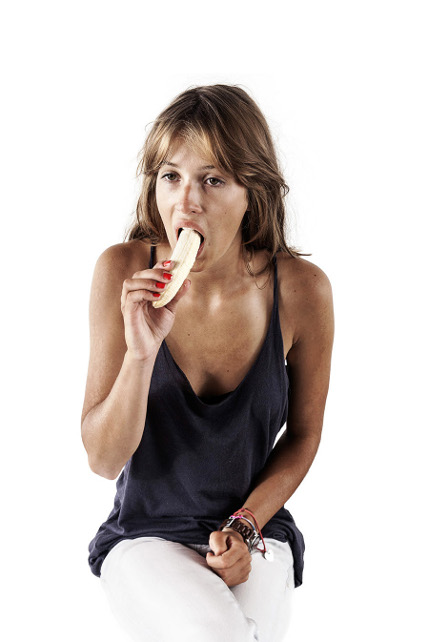
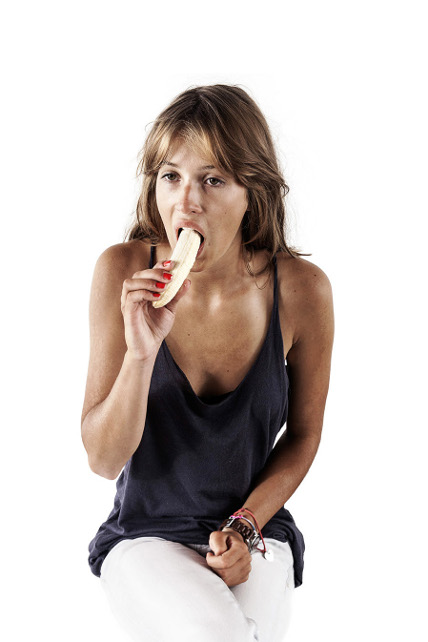
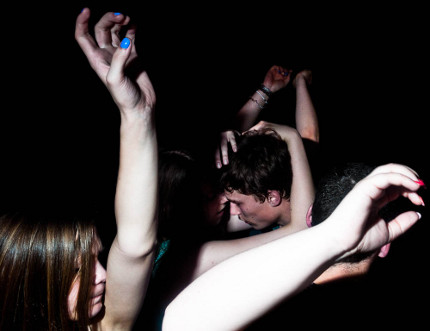 18 year old Karol Komorowski is now premiering his work at the Lookout Gallery in Warsaw, Poland. Karol is a talented photographer representing the youngest generation, standing on the threshold of his caree. His exhibition ‘Debiut’ consists of two projects: In the Dark and Girls.Karol Komorowski is one of this year Polska.doc participants – a programme run within Doc Next Network’s framework.
Read more about Karol Komorowski exhibition at polska.doc.e.org.pl and at the website of Lookout Gallery.
All images on this page are by Karol Komorowski.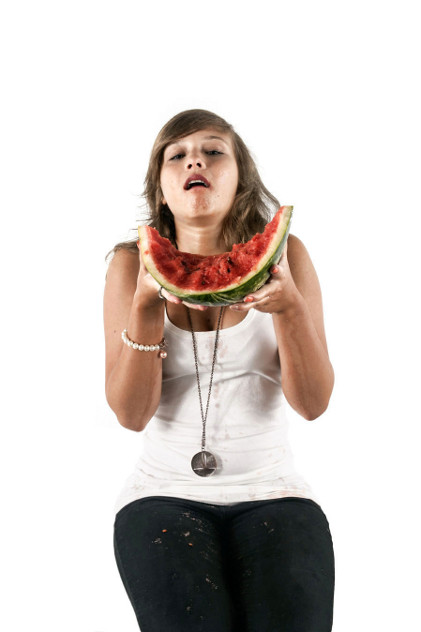

Doc Next @ IDFA 2012
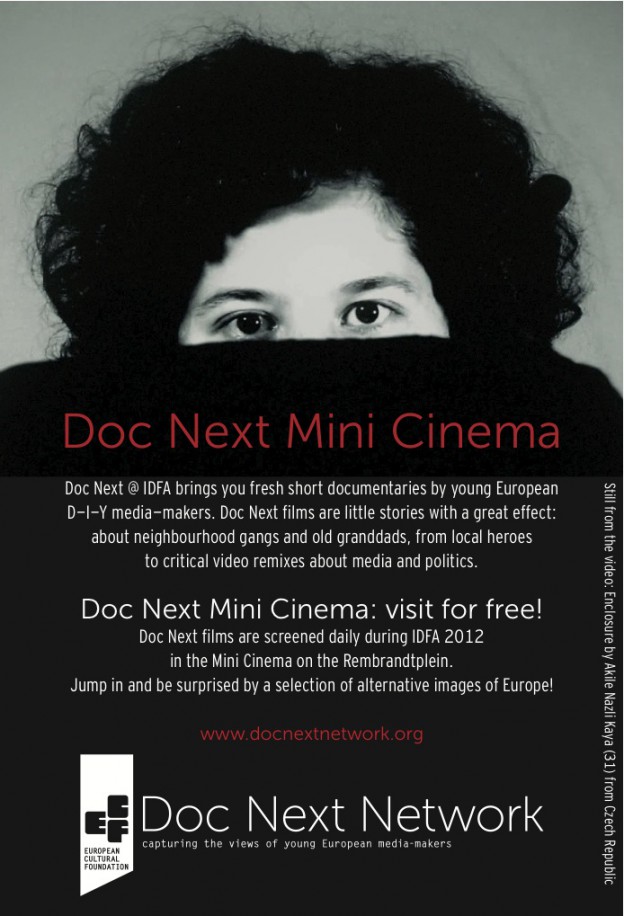
 Doc Next @ IDFA 2012 brings fresh short documentaries by young European D-I-Y media-makers to the big screen. Their portrayals of everyday heroes reveal small, sympathetic, local actions that have a big impact. About the love for storytelling, dancing, coffee, birds, personal belongings, memories and gardens… What are the images of Europe that they reveal? Doc Next @ IDFA mixes patient-eye documentaries with critical and political remix videos.
Doc Next @ IDFA is an initiative of International Documentary Film Festival (IDFA) and the European Cultural Foundation (ECF), based on a mutual desire to make sure the voices of young D-I-Y media talent are included in public opinion.
Doc Next films screened at IDFA 2012.
More than 30 Doc Next films are screened at the International Documentary Film Festival Amsterdam 2012. Within the program of Doc Next @ IDFA, there are 5 theme categories: Public Spaces, Strong Stories, Body & Soul, The Protagonist, Political Remix Videos and Dutch Local Heroes.
- Click on the image to watch the video.
- More Doc Next @ IDFA 2012.
- Which film is screened where, at IDFA? Watch the playlists at the bottom of this page.
Public Spaces. A public space is a social space that is generally open and accessible to people. But who decides how these places are used and improved? These films are about fighting bureaucracy, striving for a change in urban environments and other ‘street life’.
 Hometown Glory, Exposure, UK, 2011
“People came together, motivated to show that the behaviour of the minority did not reflect that of the majority.” An in-depth look at the summer riots in London in 2011. Media footage and interviews with local residents and youth and community workers reveal the reasons for, and reactions to, these events that shocked London.
Production: British Film Institute Future Film, bursary scheme with Exposure Magazine, 2011.
 Decision (Decyzja), Monika Jankowska Olejnik, Poland, 2011
When the municipality took away the concrete flowerpots from the streets of Zdunska Wola in Poland, an artist decided to bring them back to the people. A film that shows how an individual decision can improve the urban public space, against the backdrop of the ruling bureaucrats.
Production: Association of Creative Initiatives “ę”, Poland.doc.
Donation Only, Olly Newport, UK, 2012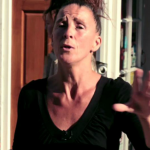
Standing in the middle of a busy Brighton street every Saturday and Sunday, a masseuse gives away her skills in exchange for a simple donation of any size. But what lies behind these healing hands of hers?
Production: BFI Future Film in collaboration with Step2TV.
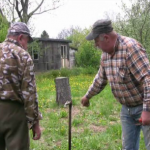 The Life of Allotments (Działkowcy), Anastazja Kądziela, Poland, 2011
Urban garden allotments are relics of the era of People’s Republic of Poland. Their residents are mostly pensioners, and the allotments create a specific microcosm with petty arguments that coexist with helpfulness and sympathy.
Production: Association of Creative Initiatives “ę”, Poland.doc, 2011.
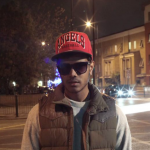 Hoodforts, Mile End Community Project, UK, 2011
A community film sharing a message from a group of young people in Mile End in London, about why other young people should stay out of trouble and work towards achieving their dreams. Winner of the Adobe Youth Voices UK film award, two Limelight awards and the Adobe Aspire Gold Medal for documentary.
Production: participatory project with a team of young filmmakers from Tower Hamlets in London.
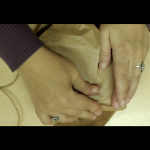 Lost Property Office (Biuro Rzeczy Zagubionych), Anna Rok, Agnieszka Kokowska, Poland, 2011
An examination of objects that were lost by their owners. Gathered in the lost-and-found office, that place of ontological oblivion, they create an interesting essay with sound and image.
Production: Association of Creative Initiatives “ę”, Poland.doc.
 Recover & Rebuild: Croydon, Rebecca Richards, UK, 2011
Story about a small family business, that was hit in the 2011 summer riots in London. The effects are not only tangible for the Patel family, but for the whole Croydon area.
Production: BFI Future Film bursary scheme.
Strong Stories All of us have a story about how we found the strength to overcome an obstacle or to reach a goal. The people in these films found out they were stronger than they thought – in their own way.
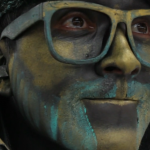 Doctor Loco, Anna Snowball and Matthew Kay, UK, 2012
This film dips it’s toes into the life of a street performer from London’s Southbank. Initially about how a street performer could be tempted away from his podium, this touching documentary explores deeper questions of success, failure and aspirations.
Production: British Film Institute 2012.
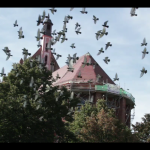 This the Type of Birds (Taki Typ Ptactwa), Małgorzata Goliszewska, Poland, 2011
Mr Zygmunt sells fruit and vegetables in his little booth, a red mobile shop. Surrounded by pigeons, he feeds them and talks to them, which deters many potential clients from coming in, but Mr Zygmunt doesn’t mind. The film follows Mr Zygmunt in his daily routine and observes the difficult relationship between this type of bird and people.
Production: Association of Creative Initiatives “ę”, Poland.doc 2011.
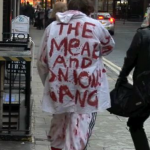 Meat and Onions Gang, Mari Shibata, UK/Japan, 2012
A profile of a group of independent working class musicians from London who are fed up with Britain’s coalition government. With an ethos resembling the punk scene under Margaret Thatcher’s government in the 1970s and 1980s, we follow frontman Danny Onion’s journey in creating a musical voice for London’s working class community, who cannot afford the money or time for political activism.
Production: British Film Institute, Future Film, bursary scheme 2012 in partnership with Step2TV.
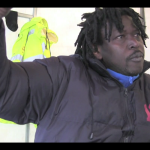 Jorge, Lucas Tello Pérez, Spain, 2011
A compelling portrait of the Senegalese immigrant ‘Jorge’ who lives in Jerez de la Frontera in Spain. He shares his personal story and a tale his mother told him and his brothers: the differences between cultures are not that big.
Production: ZEMOS98 2011.
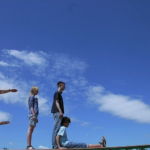 Pszów, Agata and Monika Zajac, Michalina and Marzena Krakowczyk and others, Poland, 2011
Pszów is a former mining town in Poland. This film portrays the inhabitants and their dreams, fears and values.
Production: Association of Creative Initiatives “ę”, as part of Poland Doc 2011.
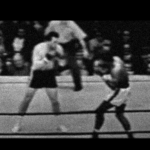 Without Spectator (Bez Widza), Rafał Andrzej Głombiowski, Poland, 2011
Piotr is a young artist who conducts a dialogue with an invisible spectator as he searches for inspiration. The only witness is the camera.
Production: Association of Creative Initiatives “ę”, Videonotations 2011.
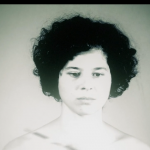 Enclosure (Kapanım), Akile Nazli Kaya, Czech Republic, 2011
“The depiction of a nightmare caused by religious fanaticism”, as the media-maker puts it. In the absence of words, the video poses some very important and troubling questions. What is religion? What is fanaticism? Who decides what is?
Production: Akile Nazli Kaya 2011.
Body & Soul How do you feel when you look at yourself? Can we draw some immediate consequences regarding the relationship between our body and our soul? We do not develop our identity all on our own. The people around us, the media and our culture strongly influence it.
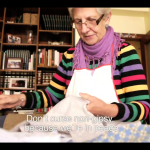 Never Too Late to Reach It (Llegando a Todo), Raquel Campuzano Godoy, Spain, 2011
Carmen knows a lot, because she has lived and learned. A tribute to Sevillian women like Carmen, who have suffocated under patriarchal society and were kept invisible in their domestic role. They now have taken the language and made themselves visible with only one goal: to change their lives.
Production: ZEMOS98, 2011.
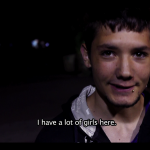 Faster, Harder, Stronger, Melisa Uneri, Turkey, 2011
“If you don’t act macho around here, you lose points.” Portrait of young men trying to live up to the expectations of being a man.
Production: Istanbul Digital Culture and Arts Foundation and MODE Istanbul, North Aegean Narratives project 2012.
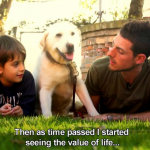 Forget Me Not, Matheus Ortega and Francisco Garrido, UK, 2011
The film follows some remarkable stories of young people as they open their hearts, revealing their darkest memories of the drug-filled lives they have left behind as they recount for us the path that led them to this transformation.
Production: British Film Institute Future Film, bursary awarded for the We The Peoples Film Festival #TweetaPitch competition, 2012.
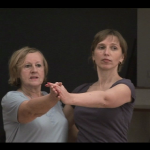 Relax Club (Klub Relaks), Joanna Kozera, Pola Rożek, Poland, 2011
“Cha cha – one, two, three…” these are the words you can hear in the evening as you walk around the Grochów district in Warsaw. Senior citizens from community club Relax learn how to dance, led by the charismatic Mr Jacek, a Polish ballroom dancing champion.
Production: Association of Creative Initiatives “ę”, Videonotations, 2011.
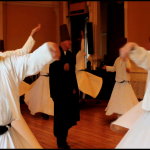 Let Yourself Go, Bethan Lloyd, UK, 2011
A personal journey to investigate the use of dance in religious, spiritual and secular culture. Director Bethan journeys from hedonism to introspection, through the use of dance. In the process she discovers things about herself that had remained hidden for years.
Production: British Film Institute Future Film, bursary for new documentaries in partnership with BAFTA, 2011.
The Protagonist Without being aware of it, people, places, things or even animals can be the main character of a story. These protagonists are helping other characters to change and to become good again. In everyday life these ‘un-awares’ are the catalysts of change.
 Small Things, Lucas Tello, Spain, 2012
Orfeo used his voice to reverse death – in this blackscreen film a whispering voice reverts to this myth to explain the beauty of cinema.
Production: Luca Tello, 2012.
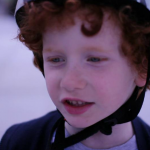 Astronauts, Jaha Browne and Tara Manandhar, UK, 2012
A gentle exploration into the aspirations of various generations, presented through a series of short interviews conducted along the Southbank area of London.
Production: British Film Institute Future Film, 2012.
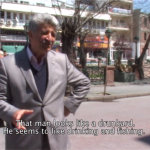 One of Us (Icimizden Biri), Gamze Akan, Ilgın Aksoy, Sengul Moral, Turkey, 2011
The people of Eskisehir in Turkey talk about a statue, creating stories around it, revealing their own personalities.
Production: MODE Istanbul, 2011.
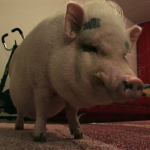 No husband but a pig in Estonia, Sasha Kheyfets, Estonia, 2011
Carolina can think of many reasons why she’d rather live with a pig than with a man. The love for her pink piglet is unconditional and nothing holds her from living with her Rafi.
Production: Metropolis TV.
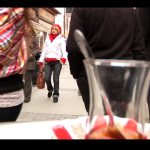 Just brewed it, we’re waiting for it to settle, Hande Zerkin, Metin Akdemir, Gunes Uyaniker and Gulgun Dedecam, Turkey, 2012
A day at Refik’s Tea House in Izmir, serving its customers fresh tea all day. ‘This place is my child. I devoted my life to it.’
Production: MODE Istanbul, part of the Street Stories Workshop Izmir.
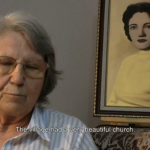 Refika, Ozge Deniz Ozker, Turkey, 2012
A journey that takes place on both sides of the North Aegean, in search of a woman called “Refika”. Her photograph is found on the walls of Adatepe, an old Greek village in Turkey. There are different stories about Refika and her love, Nazmi. Who is this woman and who writes history? Production: Istanbul Digital Culture and Arts Foundation and MODE Istanbul, North Aegean Narratives project.
Political Remix Video is a genre of transformative DIY media production whereby creators critique power structures, deconstruct social myths and challenge dominate media messages through re-cutting and re-framing fragments of mainstream media and the popular culture. These videos were part of a call for political remix videos by ZEMOS98, Seville, Spain April 2012.
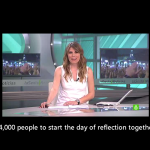 Open Your Mouth (Abra la Boca), Montserrat Santalla Gasco, Spain, 2011
A film that focuses on the origins of the Spanish protest movement 15M (15 May) through the news broadcasts of Spanish TV. Their mass media are absolute protagonists, monopolising the supposed “media democracy”. As the only source of information for many people, they are responsible for shaping political views.
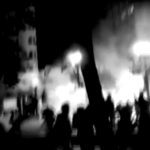 Our Dangerous Demands (Occupy remix), Malaventura, Spain, 2011
“Our dangerous demands to governments and markets are…” Oakland police brutality remixed with Judith Butler’s speech “We demand the impossible”.
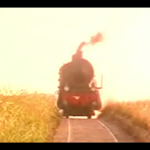
To my Uncle (A mi Tío), Lacasinegra, Spain, 2011
A rapid mixture of images reveals the author’s attempts to communicate with his uncle, someone who is deeply involved in Spanish culture.
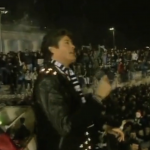 Glued, Benoit Detalle, Belgium, 2011
A critical look at our recent past as represented by TV news. David Hasselhoff’s “Looking for Freedom” – the famous song that has become the anthem of the celebration of the fall of the Berlin Wall – is the starting point for a critical reflection on the concepts of freedom, war and power.
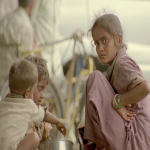
Now, Listen!, Dominik Dušek, Czech Republic, 2011
Compassion is sometimes the fatal capacity for feeling what it is like to live inside somebody else’s skin.
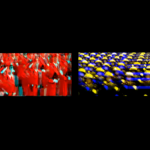 Auction II (Subasta II), Smalouli, Morocco, 2011
A humorous ‘military video’ in the social context of the second Cold War between East and West. China has awoken, between praise and indignation: an auction of conscience and values.
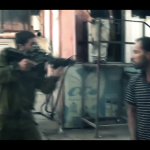 The Manufacture of Consent, Enrico Argento, Portugal, 2011
A reflection on honesty and justice. All human beings construct realities in different ways that are common but apparently unrelated. Pain, happiness, justice, effort and anger are just some of the elements that unite people.
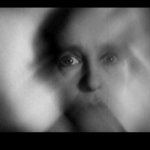 Illustrated Stories (Cuentos Ilustrados), Pablo Domínguez, Spain, 2011
An unconventional tale and exploration of hypnosis in different social and political circumstances. A political remix video that transforms audiovisual chaos into a new audiovisual discourse.
Production: ZEMOS98, Spain.
Dutch Local Heroes Dutch D-I-Y filmmakers put in their best work for Doc Next Dutch Open Screen. A selection of these works is screened in the Mini Cinema. Playlist tba.
——————————————————————————————————-
PLAY LISTS
Doc Next films screened before featured IDFA documentaries (Click here for time and location):
- Pszów, Agata and Monika Zajac, Michalina and Marzena Krakowczyk and others, Poland, 2011
- Recover & Rebuild: Croydon, Rebecca Richards. London, 2011
- No husband but a pig in Estonia, Sasha Kheyfets, Estonia, 2011
- Small Things, Lucas Tello, Spain, 2012
- Just brewed it, we’re waiting for it to settle, Hande Zerkin, Metin Akdemir, Gunes Uyaniker and Gulgun Dedecam, Turkey, 2012
- Astronauts, Jaha Browne and Tara Manandhar, UK, 2012
- Enclosure (Kapanım), Akile Nazli Kaya, Czech Republic, 2011
- One of Us (Icimizden Biri), Gamze Akan, Ilgın Aksoy, Sengul Moral, Turkey, 2011
- Hoodforts, Mile End Community Project, UK, 2011
- Without Spectator (Bez Widza), Rafał Andrzej Głombiowski, Poland, 2011
Doc Next films screened daily in the Mini Cinema (Rembrandtplein, Click here for time and location):
- Open Your Mouth (Abra la Boca), Montserrat Santalla Gasco, Spain, 2011
- Our Dangerous Demands (Occupy remix), Malaventura, Spain, 2011
- To my Uncle (A mi Tío), Lacasinegra, Spain, 2011
- Glued, Benoit Detalle, Belgium, 2011
- Now, Listen!, Dominik Dušek, Czech Republic, 2011
- Auction II (Subasta II), Smalouli, Morocco, 2011
- The Manufacture of Consent, Enrico Argento, Portugal, 2011
- Illustrated Stories (Cuentos Ilustrados), Pablo Domínguez, Spain, 2011
- Hometown Glory, Exposure, UK, 2011
- Decision (Decyzja), Monika Jankowska Olejnik, Poland, 2011
- Donation Only, Olly Newport, UK, 2012
- The Life of Allotments (Działkowcy), Anastazja Kądziela, Poland, 2011
- Hoodforts, Mile End Community Project, UK, 2011
- Lost Property Office (Biuro Rzeczy Zagubionych), Anna Rok, Agnieszka Kokowska, Poland, 2011
- Doctor Loco, Anna Snowball and Matthew Kay, UK, 2012
- This the Type of Birds (Taki Typ Ptactwa), Małgorzata Goliszewska, Poland, 2011
- Meat and Onions Gang, Mari Shibata, UK/Japan, 2012
- Jorge, Lucas Tello Pérez, Spain, 2011
- Pszów, Agata and Monika Zajac, Michalina and Marzena Krakowczyk and others, Poland, 2011
- Without Spectator (Bez Widza), Rafał Andrzej Głombiowski, Poland, 2011
- Enclosure (Kapanım), Akile Nazli Kaya, Czech Republic, 2011
- Never Too Late to Reach It (Llegando a Todo), Raquel Campuzano Godoy, Spain, 2011
- Faster, Harder, Stronger, Melisa Uneri, Turkey, 2011
- Forget Me Not, Matheus Ortega and Francisco Garrido, UK, 2011
- Relax Club (Klub Relaks), Joanna Kozera, Pola Rożek, Poland, 2011
- Let Yourself Go, Bethan Lloyd, UK, 2011
- Refika, Ozge Deniz Ozker, Turkey, 2012
ZEMOS98 PUBLICATION ABOUT EXPANDED EDUCATION.
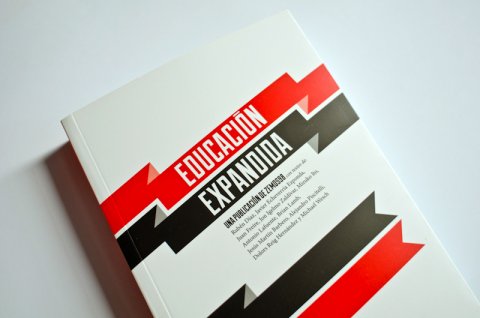 In 2009 the ZEMOS98 Festival (partner in Doc Next Network) investigated the alternatives for formal education and other ways of expressing knowledge.
This process, in which activists, educators and people from the cultural and social innovation sector participated, took place in the context of the international workshop ‘Educación Expandida’ (Expanded Education). That results were collected and documented on www.educacionexpandida.org, and have served as a starting point for a publication.
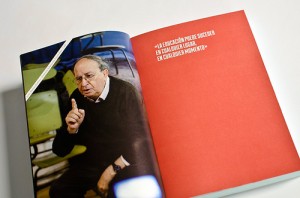
The book ‘Expanded Education’ –subtitle: education can happen anytime and anywhere- holds proposals for informal education, social activism and research in participatory processes. Expanded education is a concept that has been aknowledged by institutions and groups from various fields. To ZEMOS98, the greatest achievement isn’t the publication of the book itself, but continuation of the investigative process that began in 2009: ZEMOS98 wants to contribute to the development of expanded education by investing in anti-authoritarian and non-directional projects and methodologies.
Read more about the book here: http://publicaciones.zemos98.org/educacion-expandida-el-libro (download in PDF available)
Re-imagining Europe (on tour).
How do we imagine Europe? How do non-Europeans imagine Europe? What does it mean to be European, indeed? What is Europe really about? How do we imagine ourselves and the otherness? What does it mean to stay together? How are cliches, stereotypes, etc. being built in our societies? What happens when we ask these questions, when we ask ourselves our deepest fears, certainties and assumptions?
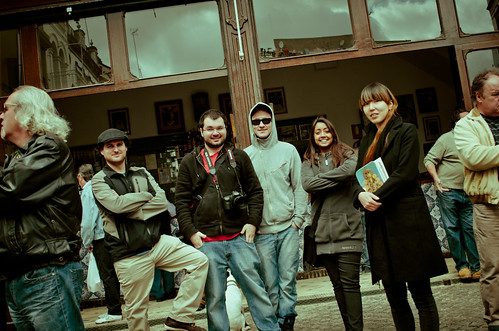
European Souvenirs (Crossing Shifting Borders) live cinema and remix performance was staged for the first time on Saturday, 6th October in Amsterdam. The event it was framed in, Imagining Europe, was «questioning what (…) means to be part of Europe and whether (Europeans) want to continue to be part of it, while people around the world are talking about Europe’s economic and cultural future».
[youtube http://www.youtube.com/watch?v=Z9-pAGmo9F4&w=560&h=315]
The combination of live cinema (rooted in the origins of cinema) and remix (sampling from pre-existing footage to combine them into new forms according to personal taste) can truly contribute to deconstruct our social and cultural European imaginaries: all the symbolic dimension in which our values, norms, traditions, identities or borders are represented. Or being more precise: the ways of togetherness we all can imagine. If we can really live together or not is a question the show brings up to the audience again and again.
European Souvenirs is a collective exploration by five young media artists featuring media found at archives in their countries and existing imagery of Europe and its travellers. This expedition is deeply influenced by the hegemonic media landscape we silently consume in our daily life: music videos, commercials, tv news, pop culture ultimately.
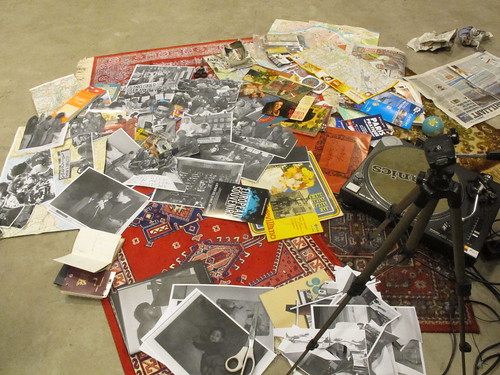
However, Europeans (and this project is an investigation about what being European really means) are much more told what they are than telling the stories about what they feel they are. That’s the reason why the show uses home video archives, found footage and audiovisual material from different institutions in Europe, in charge of the common memories.
Karol Rakowski (PL), Barış Gürsel (TR), Farah Rahman (NL), Malaventura (ES) and Noriko Okaku (JP/UK) draw a new picture departing from these images but uncovering the veil of them. what the audience will find during the show is an exploration of new narratives searching for a much more inclusive Europe. images are accompanied by data unveiling, for instance, a map of European colonization.
European Souvenirs is in that sense a provocation to the Europe we are accustomed to represent and find represented. Shake up minds, provoke reactions, debates, discussions about what Europe and being European is. All of them are objectives of this audiovisual and process-oriented investigative project.
Pop culture hacker Jonathan McIntosh has recently found connections between documentary filming and remix techniques: «the source media reveal the narrative», «countless hours gathering available audiovisual source material trying to construct a narrative plot from all the pieces», «we have a previous idea in our head for the topics we want to cover, the points we want to hit and the general direction we want to take the project but we’re never completely sure what we will find along the way or exactly how it will all fit together in the end».
These are definitely common features with European Souvenirs we invite new audiences to explore together with the artists.
Next stop: Bilbao, 23rd November at Hondakin, a festival on creative reuse at AlhóndigaBilbao.
Going beyond education habits.
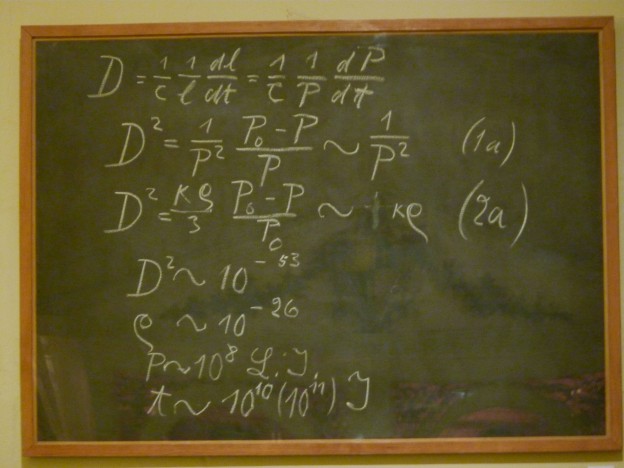
The Visual Seminar was organized 27-30 September 2012, within the Polska.doc program of The Association of Creative Initiatives “ę”.
We met to work on the changing forms of educations and the sense of the use of visual tools; to reflect on the circulation of images in contemporary culture and the role of seeing as a way of bringing the marginalised subjects to the state of visibility.
One of the aims of the Visual Seminar was going beyond our habits related to the daily work of animators/educators/coordinators. We are often so deep in realising our activities that we cannot find time to ask questions outside of the grant application forms. We have decided to stop for a moment and to critically reflect on the work and methods that we use, the sense of which seems so obvious to us.
We invited 17 practitioners – people who educate, animate and coordinate projects with the use of photography, film, art and the Internet. The participants represented big institutions, small NGOs and freelancers. What brings them all together are the same tools and practices related to visual issues and the readiness to think about the concept and meaning of “visual education”.
We invited 16 guests – visual culture anthropologists, sociologists, new media researchers, education theoreticians, artists and curators. We spent 4 days on intensive important work full of challenges and questions. In the beautiful surrounding of the Oczyszczalnia we listened to demanding lectures, led lively discussions, criticised “good practices” during workshops, analysed images found online and YouTube videos, worked out conceptual experiments with the use of the camera and the Internet, summed up our experiences asking new questions and drawing unexpected conclusions.
Łukasz Zaremba and Magda Szcześniak, visual culture researchers working for their doctorates at the Warsaw University, opened the seminar with their workshop that presented seeing as an activity that seems transparent, yet there is nothing obvious in it; as an area of social conflict. Dr Iwona Kurz from the Film and Visual Culture Institute gave a lecture during which she presented issues related to researching visual culture. She focused on the consequences of the non-existence of this idea in the educational system. Ruben Diaz of the Spanish Organisation Zemos98 and the Seville University presented a speech about the ideas and practises related to the remix culture. The next day he presented his concept of “widened education” that can work anyplace and anytime breaking the system and the hierarchy of the school education. Edwin Bendyk of the Collegium Civitas presented scenarios of the future related to the development of the new media and technologies and their relationship with social and political change. Dominika Widłak-Mańka from the educational department of the British Film Institute described its goals and the operating model. She gave examples of specific activities and programmes aimed at diverse groups and societies. A sociologist team – Agata Nowotny, Michał Danielewicz and Agnieszka Strzemińska – moderated the ongoing process of generating knowledge. In the workshop blocks they initiated group work and discussions aimed at summarising and drawing conclusions as well as questions arising thanks to the different perspectives presented by the guests. They worked non-stop – there was no end to conversations during the brakes. We continued debates, exchanged stories about our experiences and working methods. Only sometimes did we find time to lie on the hammock, go for a short walk or lie at the pond.
Summarising the 4 days’ work opened a new stage – we divided subjects that we will work on with the collective publication in mind. In the cooperative work and the on-line consultations we will create texts, interviews, recordings and podcasts on the most interesting subject matters. We will analyse, among other topics, visual education as the tool for teaching critical thinking, the changing role and meaning of an “educator”, seeing as a bodily and space-related activity, the value of education as arousing doubt – not standardising knowledge, the notion of “effectiveness” of images in social projects, ethics and politics related to the valuation of aesthetics, the visuality of the public space and the role of photography in projects related to human rights and diversity. 2 months of intensive work await us. The publication will be out this winter!
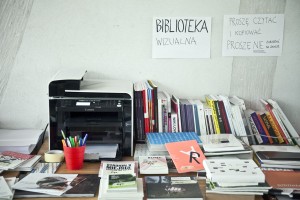
We would like to thank all the guests for inspiration, knowledge and support. We thank the participants for their involvement and openness and we congratulate on your courage to reflect and on your persistence in work. We would also like to thank the National Centre for Culture, The Foundation for Visual Arts, Political Critique, the Archeology of Photography Foundation, the Center for Citizenship Education) for books and materials for the newly initiated “visual library”.
The Visual Seminar is part of the Polska.doc programme run by The Association of Creative Initiatives “ę” executed within the Doc Next Network with the financial support of the European Cultural Foundation.
The Visual Seminar is supported by the Polish Film Institute.
Institutions changing for the better.

This post Innovation and institutional change for the reinvention of democratic practices (Imagining Europe) is written by Juan Freire and was originally posted on nomada.blogs.com.
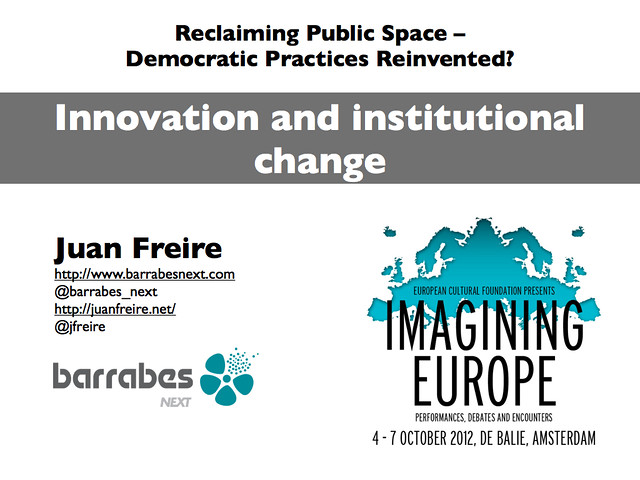 I participated recently in the event Imagining Europe organized by the European Cultural Foundation in Amsterdam. Specifically I was part of the roundtable and debate Reclaiming Public Space – Democratic Practices Reinvented? where we tried to put “[d]emocracy in Europe under the microscope” (here a resume of the activities of the day).
Farid Tabarki (founder and director of Studio Zeitgeist in Amsterdam) was the moderator of the debate involving Peter Vermeersch (lecturer, poet, G1000 Belgium), Tiffany Jenkins (sociologist and cultural commentator, UK) and myself to explore alternative models for democratic practice in Europe. My intervention was focused in “Innovation and institutional change” trying to present ideas about these two questions:
- How do the alternative models [organizations and processes based in bottom-up and networked dynamics] connect and / or collide with traditional political and cultural expression?
- How can new initiatives develop sustainable and long-term ways of participation without losing their innovating character?
The following images (the set in Flickr; see credits below) and notes is a mostly visual resume of my ideas, that I prepared after a conversation with Farid Tabarki (that inspired and provided me with clever ideas):
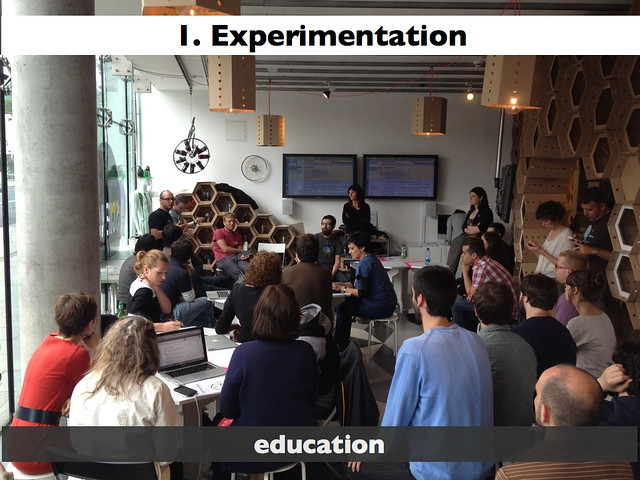
The new models of organizations and processes based in bottom-up and networked dynamics should be consideredexperimental. The only way to innovate and learn how to make effective the new practices and structures is to make them real and explore their possibilities. This means also that we need to allow failures as the only way to get real innovation. From my point of view, we should look especially to experiments occurring in two fields. Traditionaleducation is suffering a long-lasting crisis but many alternative models based in learning by doing and collaboration are emerging. Also, education is overpassing its traditional limits to be part of the agenda of culture, science or business; thelab is the new concept of space for experimentation, prototyping and learning.
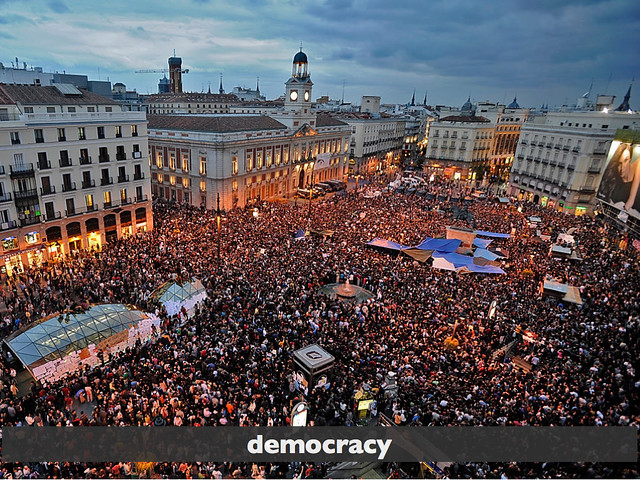
Political activism is other area of intense experimentation. Citizens are using technology and public spaces to organize themselves to discuss and make politics, sometimes in conflict with the traditional politics (represented by institutions and political parties), sometimes opening new opportunities for dialogue. The novelty here is the large scale and diversity of the citizen-driven actions taking place from 2010 worldwide (from Arab revolutions to #15M or the Occupy movements or to activism occurring in Israel or Chile to put only a few examples). These civic movements need spaces for communication, deliberation and collaboration and in this sense are reclaiming the re-appropiation of the public space by citizens.
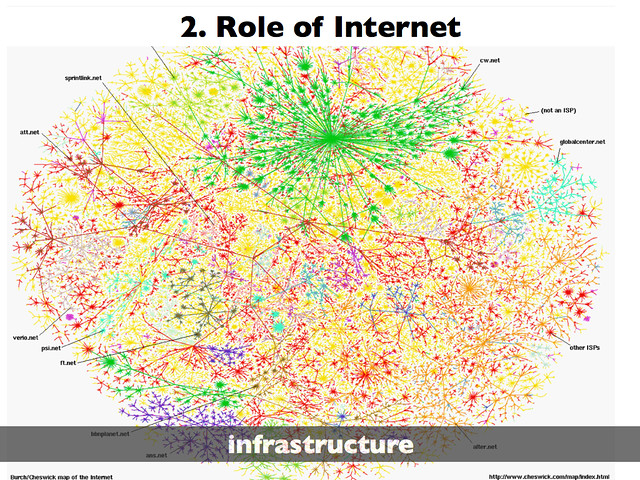
Alternative models could be not understood without the role of the Internet. They are not only digital phenomena; most of them are eminently analogical processes. However the Internet is a key element at least from 3 points of view. First as an infrastructure that allows the new network organizations and processes to be effective at a large scale.
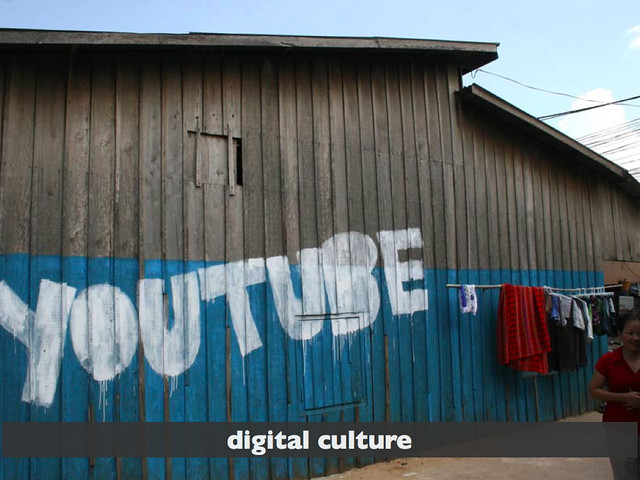
Second, the Internet has been the driver of the re-emergence of new practices and values, a new digital culture based in ideas as openness, peers, commons or collaboration and the rethinking of intellectual property.
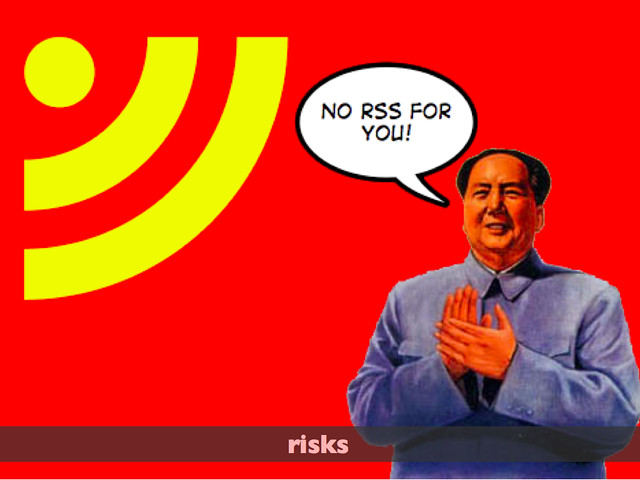
However the Internet is also a risk for these emerging phenomena because it is also a powerful tool for the power to try to control citizens, especially, but not only, in non-democratic countries. This is the other side of the impact of the digital; the balance between the pros and cons is not decided and will depend of the active roles of the different stakeholders.
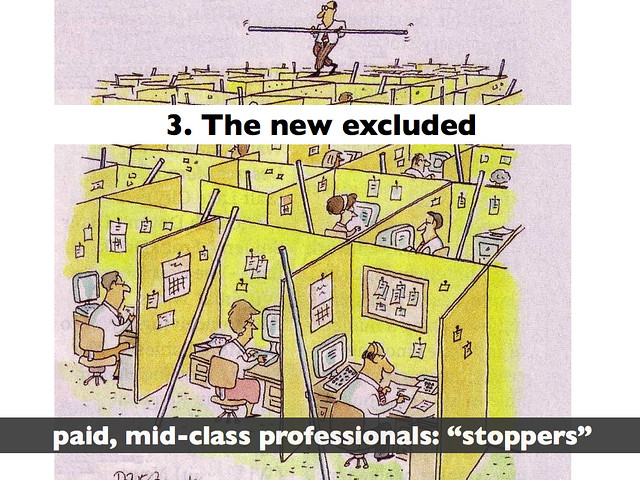
The new scenario changes the roles and outcomes of the different social collectives. In one side, probably a new class of excluded is emerging that it is very different from the traditional ones. The mid-class professionals usually working for big corporations and institutions are in many cases unable to understand and participate in the new models and as a consequence act as “stoppers” trying to keep their world as usual.
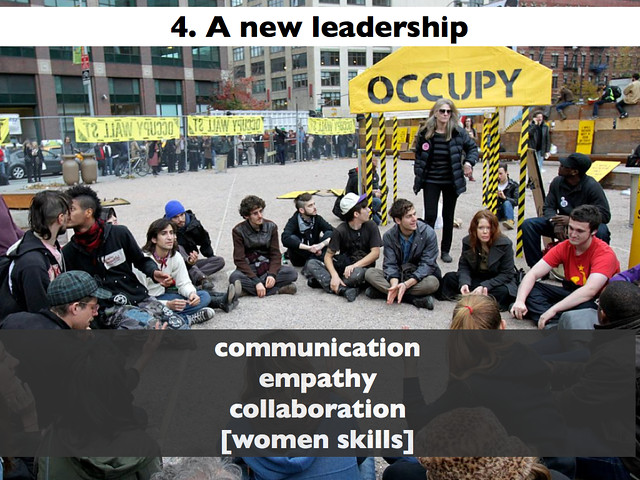
Networked organizations are open and flexible but leadership continues to be necessary. A new kind of leaders emerge with skills different to the leaders of the past. They need to communicate using new media and empowering social networks. They have to develop empathy with the different stakeholders. Finally most of their work is behind the scenes making things happen and, in this sense, promoting collaboration and team work. New leaders are obviously women and men but in many aspects their skills and values are much more close to those that traditionally were assigned to women.
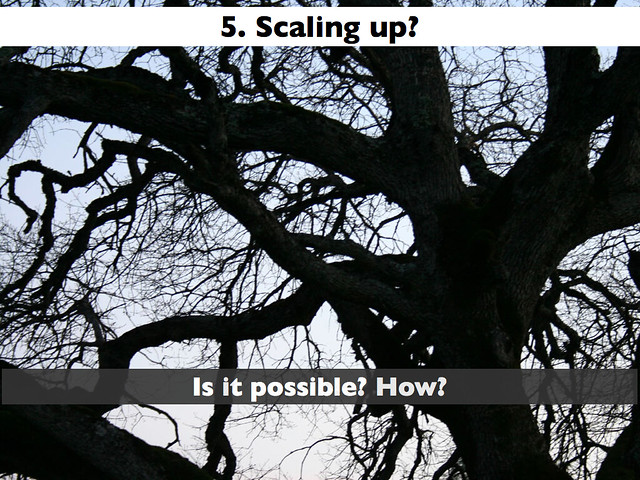
New models are working well at the small scale in the sense that we are getting many learnings and insights from these political experiences. However they attained large scale only during short periods as reactions to extreme situations (as dictatorships in the Arab revolutions) or as sophisticated demonstrations in democracies; but they have no transformed the political system. In contrast in the last decades digital processes have been able to attain large scales (i.e. Wikipedia or the free software communities) transforming for example the production and distribution of knowledge. The main question for the future is how to scale up political processes and organizations. We need dialogue between the traditional representative democracy and the new deliberative and participatory politics. Now in most cases they are operating in different channels and the conflicts continue to be manageable because of the scale, but with increasing complexity new consensus, organizations and institutions are needed and they could only emerge as hybrids of the remix of the old and new ones.
An agenda for transformation needs to identify why, how and what is changing for the better, and to look for a common ground where the new and old processes and institutions could collaborate.
Credits of the images:
- Science Gallery (Dublin), workshop in collaboration with Medialab Prado (June 2012)
- http://nosoloilustracion.wordpress.com/2011/10/16/cronica-de-un-cambio-anunciado-15m-15o-spanishrevolution/
- http://www.cheswick.com/ches/map/gallery/index.html
- http://www.psfk.com/2008/12/digital-culture-snub.html
- http://censorshipinamerica.com/2011/10/20/china-defends-internet-censorship-against-us-trade-query/
- http://vlb.typepad.com/commentary/2006/03/realtime_produc_1.html
- http://cryptome.org/info/ows-19/ows-19.htm
- http://flowerwatch.net/2010/02/08/how-natures-complexity-is-simple-and-natures-simplicity-is-complex/
- http://www.masshumanists.org/changing-for-the-better.htm